Brand identity design services people remember

A brand is not a logo — it is the set of decisions that let a stranger recognize you twice. We build the positioning, the identity system, and the written rules that keep it coherent whoever applies it next.

Two structured revision rounds · full file ownership · written guidelines

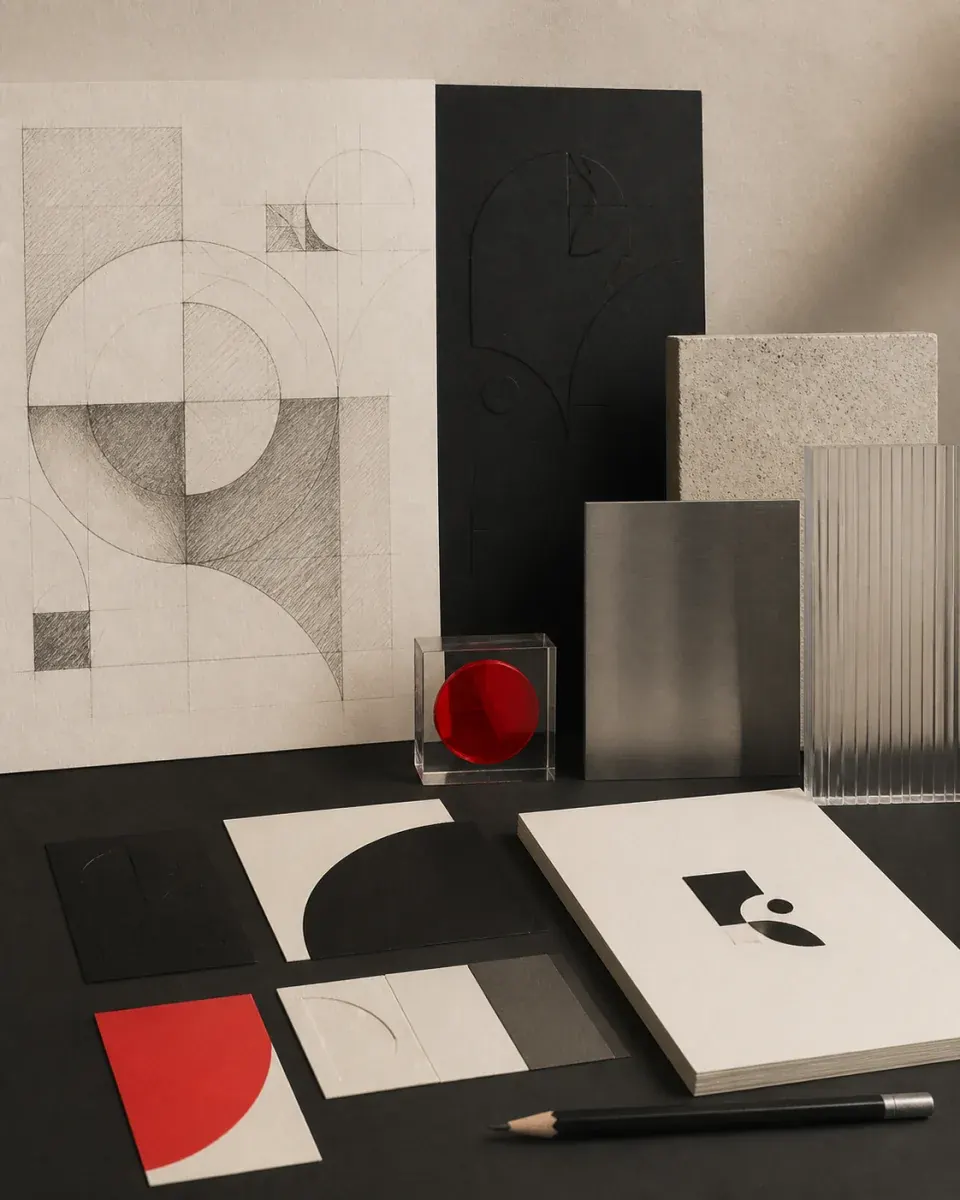
Brand identity system applied consistently across surfaces
One identity that still reads as itself on every surface.

What the identity work protects

A position you can defend, not just a look

Consistency after we hand the files over

Existing brand equity, where there is any worth keeping

Evidence status

Owning your own vocabulary

Chef Batuhan Özkök had genuine expertise and no distinctive way to express it. We built a brand, site, and search architecture around the language he actually uses, rather than the generic vocabulary of his category.

A brand that turns specific expertise into demand, with the identity, interface, and search presence all speaking the same way.

Read the full case study

When the brand is working against you

Brand problems are easy to feel and hard to name. These are the observable versions of the same underlying issue.

What a coherent identity gives you

What changes when the identity is a documented system rather than a folder of files.

A position stated plainly

Who you are for, what you do differently, and the words you use to say it — settled and written down, so the whole team describes the business the same way without being coached.

An identity that survives contact with reality

A logo system with the variants real life demands: horizontal, stacked, single-colour, tiny, on dark, on photography. It still reads as you at every size and in every context.

Rules other people can follow

A written guideline document covering palette, type scale, spacing, imagery direction, and tone of voice, so a freelancer or a future hire can produce on-brand work without asking you first.

Recognition built from repetition

Consistent application across every surface compounds. The same palette and voice appearing repeatedly is what turns a business someone saw once into one they remember.

Ready-to-use applications

Templates and export-ready assets for the things your team makes weekly — social profiles, presentations, stationery, print — in the formats they actually use.

Brand strategy and positioning
Competitive and category audit
Naming and messaging direction
Primary logo and variant system
Colour palette with usage rules
Typography scale and pairing
Imagery and art direction
Tone of voice guide
Written brand guideline document
Stationery and business cards
Social and presentation templates
Full source files and export kit
Brand strategy and positioning
Competitive and category audit
Naming and messaging direction
Primary logo and variant system
Colour palette with usage rules
Typography scale and pairing
Imagery and art direction
Tone of voice guide
Written brand guideline document
Stationery and business cards
Social and presentation templates
Full source files and export kit

Five stages, strategy before form

Five stages that settle strategy before form, so the design is arguing for something specific.

What you receive

Vector source files · Full export kit · Colour and type tokens · Written guideline document · Editable templates · Web-ready and print-ready assets

01

Discovery

We work through the business, the vision, the values, and the commercial reality — what you sell, who buys it, and what you need them to believe. Nothing visual happens until we can state the brand's job in a sentence you agree with.

02

Research

We audit the category: how competitors position themselves, what visual conventions the sector has defaulted into, and where there is genuine room to look and sound different without becoming illegible to your market.

03

Strategy

Positioning, personality, and messaging are written down and approved. This is the document every later decision refers back to, and it is why the design phase produces an argument rather than a mood board.

04

Design

The identity system is built: logo and its variants, palette, type, imagery direction, and the applications you need most. We present in context — on real surfaces at real sizes — rather than as a mark floating on white.

05

Delivery

You receive the source files, the export kit in every format your team needs, and the written guideline document. Two structured revision rounds are built into the schedule so feedback is consolidated rather than open-ended.

How long a brand project takes

Identity refresh on existing equity

2–4 weeks

Full identity from scratch

4–6 weeks

Identity plus extended applications

6–9 weeks

Guideline documentation

Included, final 1–2 weeks

The schedule depends mostly on how many people need to approve each stage and how quickly feedback arrives consolidated rather than in pieces. Naming work, extensive print applications, or photography direction extend the timeline, and we scope those explicitly rather than absorbing them quietly.

$2.5k–$12k, scoped by applications

Brand identity engagements typically range from $2,500 to $12,000, driven mainly by how many applications you need designed rather than by the logo itself. This is priced separately from a website project — those start at $6,000 and are listed at three levels on the pricing page. We quote a fixed scope in USD after discovery, including the number of revision rounds, so the price does not move because feedback took a third pass.

Discuss scope and price

Questions about brand work

What is included, whether your current logo survives, what it costs, and how long it takes.

01 / 07

What does a branding project include?

Positioning, logo system, color palette, typography, imagery direction, and a written brand guideline document your team and any future vendor can apply consistently.

Decide what you stand for first.

Tell us who you are for and what you need them to believe. The identity is what makes that legible at a glance.

Let's talk about your brand